
In vitro: RIVET
2D cell models, spheroids and organoids for early characterisation of the molecules and radiotracers studied.
The Nancyclotep preclinical research platform supports academic and industrial teams in the evaluation of radiotracers and nuclear medicine strategies.
Our expertise combines “in vitro”, “in vivo” and “ex vivo” approaches, mobilised according to the scientific question and the project’s stage of development. The team supports projects from the definition of the experimental strategy through to the studies themselves, data analysis and their scientific valorisation.
Our activity is organised around three levels of evaluation:
2D cell models, spheroids and organoids for early characterisation of the molecules and radiotracers studied.
Animal models and molecular imaging to study the biodistribution, kinetics and targeting of radiotracers.
Analyses on human tissue to assess the tissue binding and specificity of radiolabelled molecules.
This complementarity makes it possible to adapt the experimental strategy to the objectives of each project and to document the molecules studied at different biological scales.
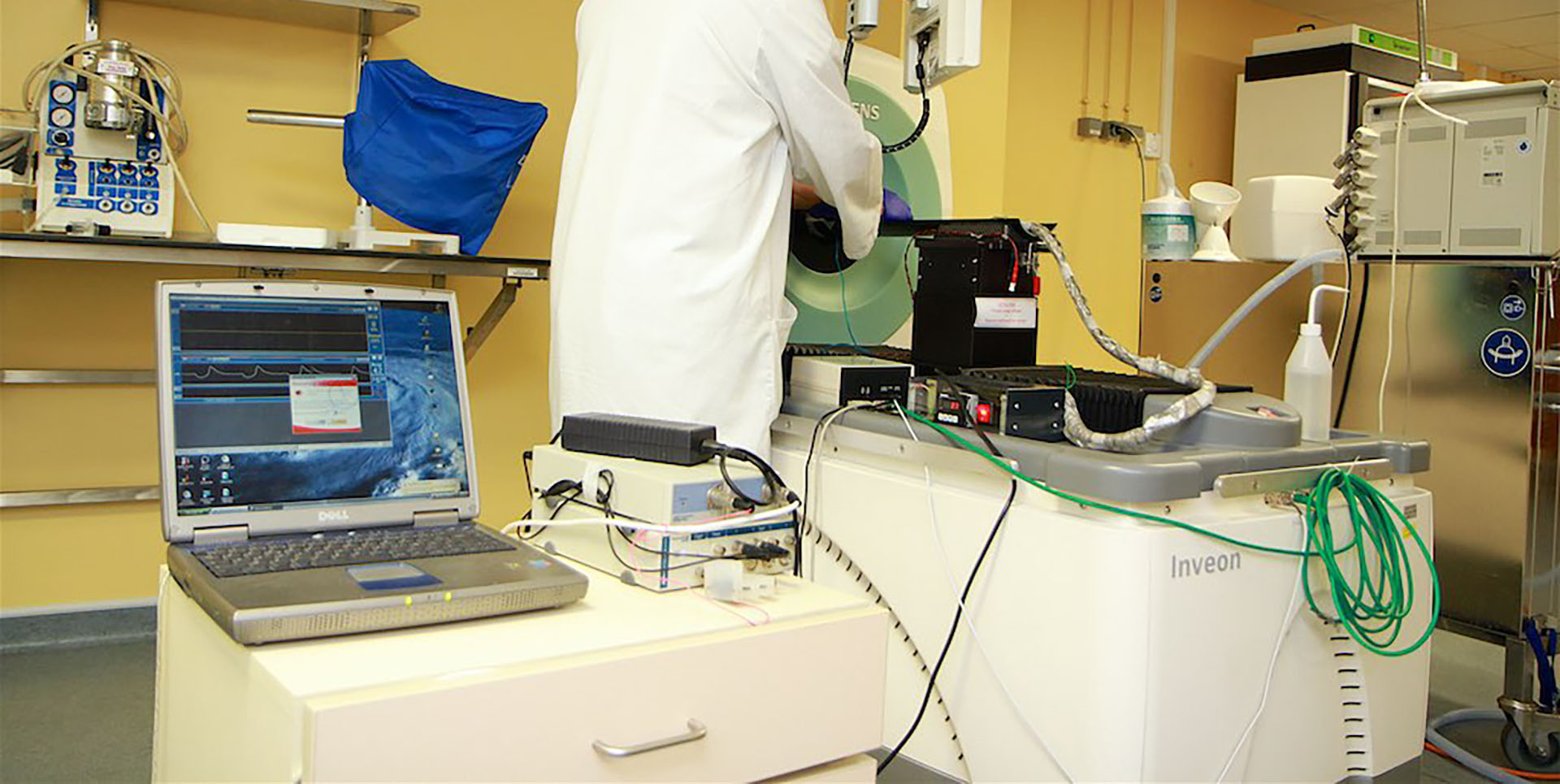
Animal experimentation is the historical core of the platform.
PRIPA conducts studies in rats and mice, using immunocompetent or immunodeficient models depending on the protocol, across fields such as:
Studies may combine PET/CT molecular imaging, radiotracer administration, longitudinal follow-up, biodistribution studies, surgical procedures and physiological monitoring, as well as biological and tissue sampling.
The platform also has an approved animal facility, allowing animals to be housed in conditions suited to their health status and to the needs of the experimental protocols.
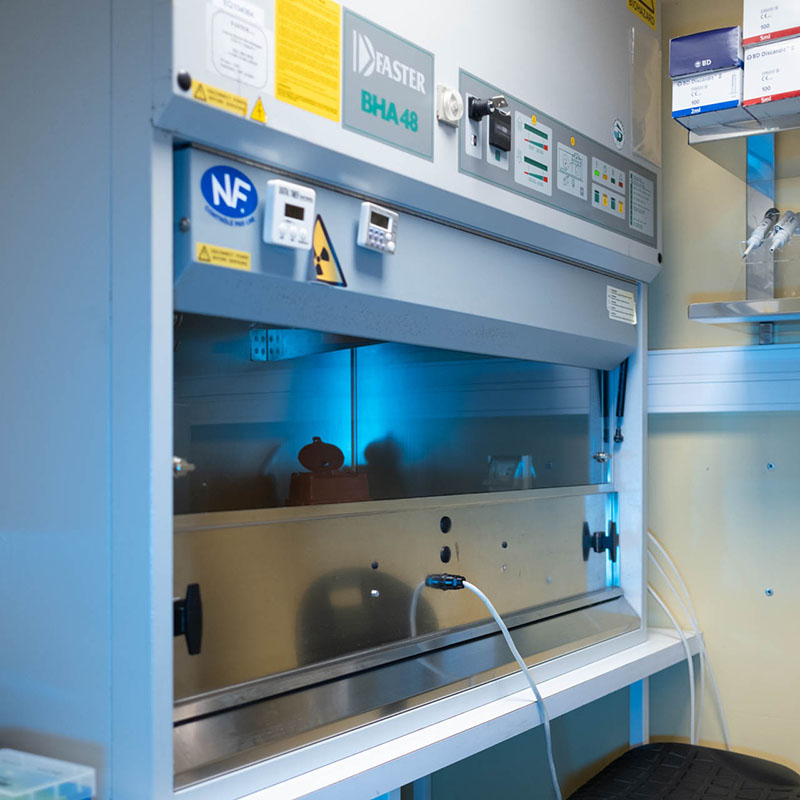
In vitro approaches rely on 2D cell models, spheroids and organoids, used upstream of or alongside in vivo studies to characterise the interactions between the molecules studied and their biological targets.
They notably make it possible to explore, depending on the project, the cellular uptake, target binding, specificity or internalisation of the molecules and radiotracers studied.
HERO
Human Ex-vivo RadiOligand
HERO enables the ex vivo evaluation of radiolabelled molecules on human tissue.
Autoradiography is used in particular to study their binding and specificity on the tissue of interest.
This approach complements the data obtained in vitro and in vivo, and helps document the translational potential of the molecules studied.
An environment dedicated to the culture and study of 2D cell models, spheroids and organoids.
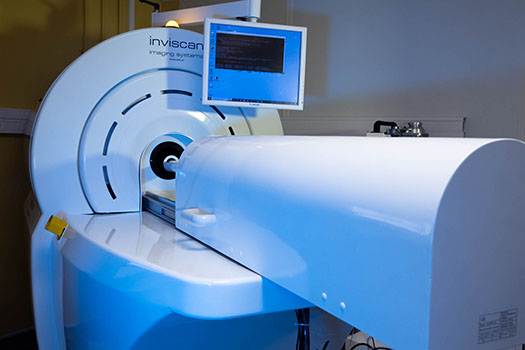
A preclinical InviScan PET/CT system, along with spaces dedicated to experimental and surgical procedures and to small-animal housing.
A CR35 Bio autoradiography system and equipment dedicated to the analysis of biological and tissue samples.
Studies involving animals are carried out in compliance with applicable regulations and the 3Rs principles: Replacement, Reduction and Refinement.
The Animal Welfare Body (SBEA) contributes to the ongoing monitoring and improvement of experimental procedures and housing conditions.
In vitro and ex vivo approaches can also contribute to replacement or reduction objectives when they make it possible to answer all or part of the scientific question without recourse to animals, or to optimise the design of in vivo studies.
A dedicated team supports project leaders in defining and implementing their experimental strategy.

Head of the preclinical research platform
Research engineer, In vitro approaches lead
In vitro models, in vivo studies or ex vivo evaluation: tell us about your project and let’s define the most suitable experimental strategy together.